B-Vitamins And Nerve Health: Which Forms Actually Matter
B-vitamins are central to nerve nutrition, but the specific form on a label — not just the vitamin name — determines how readily your body can use it.
Methylcobalamin and Benfotiamine are the two forms worth looking for specifically, and they are not the cheapest options a manufacturer could choose.
B12: Methylcobalamin versus Cyanocobalamin
Most inexpensive B12 supplements use cyanocobalamin, a synthetic, stable form that the body must convert into an active form before it can be used. That conversion process works fine for most people, but it is an extra metabolic step.
Methylcobalamin is already in an active, coenzyme form the body can use directly. It is more expensive to produce and less shelf-stable than cyanocobalamin, which is exactly why cheaper products tend to avoid it. The NIH Office of Dietary Supplements covers B12's role in nerve function in more detail.
B1: Benfotiamine versus standard Thiamine
Standard thiamine (vitamin B1) is water-soluble, which limits how much of an oral dose actually gets absorbed — the body simply excretes what it cannot use. Benfotiamine is a fat-soluble thiamine derivative that crosses cell membranes more readily, resulting in meaningfully better absorption in research comparisons.
Benfotiamine has been particularly studied in the context of blood-sugar-related nerve nutrition, which is part of why it appears specifically (rather than generic thiamine) in nerve-focused formulas. Background on thiamine forms generally is available through the NIH fact sheet.
Why this matters more for nerve-focused formulas specifically
A quick way to check any label
Look specifically for the word after the vitamin name. ‘Vitamin B12 (as Methylcobalamin)’ tells you the active form is used. ‘Vitamin B12’ alone, with no parenthetical, is often cyanocobalamin by default, since it is the cheapest and most common form. The same logic applies to B1: ‘Benfotiamine’ named specifically versus a generic ‘Vitamin B1’ or ‘Thiamine’ listing.
Applying this to NeuroGenica
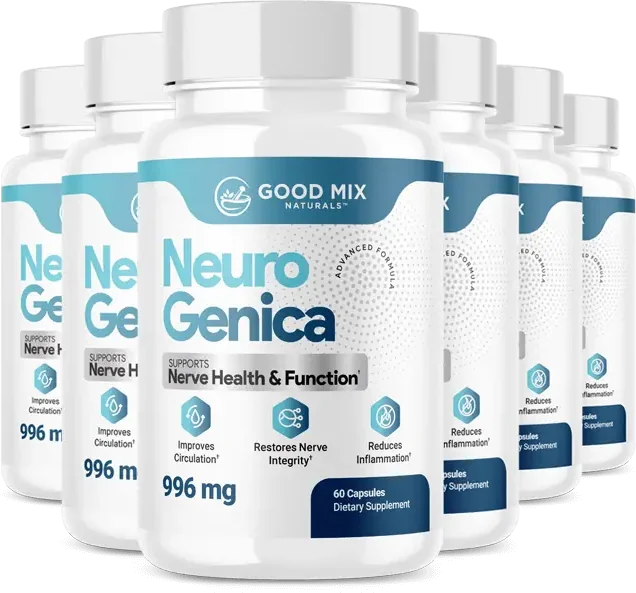
NeuroGenica specifically names Methylcobalamin and Benfotiamine rather than generic B12 and B1, which is consistent with the formula's broader pattern of choosing more bioavailable ingredient forms — the same pattern seen with R-ALA over generic alpha lipoic acid. Per-capsule amounts for these B-vitamins are not disclosed on the pages we reviewed.